The Art of Personalization: Crafting Your Unique Jewelry Legacy
Jewelry has always been more than adornment; it is a vessel for personal stories, cultural heritage, and emotional connections. In an era where individuality reigns supreme, jewelry customization has emerged as a powerful way to express identity through wearable art.
This transformative practice allows individuals to design pieces that reflect their personality, values, and life experiences in ways mass-produced items never could. From engraving initials to creating bespoke designs, the possibilities are as vast as human imagination itself.
Understanding the Customization Spectrum
Jewelry customization exists along a broad spectrum, ranging from minor alterations to complete redesigns. At its most basic level, customization might involve simple engravings or adding gemstones to existing pieces.
At the other end of the scale, custom jewelry creation involves working closely with designers to develop entirely new pieces from scratch. This process often includes selecting materials, choosing design elements, and specifying construction techniques.
- Engraving Services: Add meaningful text or symbols to rings, pendants, and bracelets at relatively low cost
- Gemstone Setting: Upgrade plain metals by incorporating precious stones according to your aesthetic preferences
- Bespoke Design: Collaborate with artisans to create original jewelry reflecting your unique style and story
The Emotional Resonance of Custom Pieces
In today’s fast-paced world, customized jewelry offers a tangible connection to what matters most. Whether commemorating milestones or honoring loved ones, these pieces carry deep sentimental value.
Custom creations often become heirlooms passed down through generations, each bearing the marks of personal history and familial bonds. A ring engraved with wedding dates becomes more than ornamentation when worn during anniversaries.
The Psychology Behind Personalized Adornments
Studies show that personalized items trigger stronger emotional responses compared to standard products. When people wear something uniquely theirs, they experience increased self-esteem and sense of belonging.
Neurological research indicates that customized objects activate brain regions associated with memory and emotion, making them particularly significant during times of transition or remembrance.
Materials and Techniques in Modern Customization
Contemporary jewelers employ diverse materials and methods to meet evolving consumer demands. Traditional metals like gold and silver remain popular choices while innovative alloys offer modern alternatives.
Advanced technologies such as 3D printing enable unprecedented precision in crafting intricate designs. These tools allow artists to realize complex patterns that would be impossible using conventional techniques alone.
- Laser Engraving: Creates permanent, high-resolution markings without damaging metal surfaces
- CNC Machining: Enables precise shaping of metals for custom fits and unique textures
- Diamond Painting: Allows customers to create mosaic-like patterns using pre-set diamond dots
Ethical Considerations in Custom Jewelry Making
As demand grows for customized pieces, ethical sourcing of materials becomes increasingly crucial. Consumers now expect transparency regarding mining practices and labor conditions involved in production.
Many reputable jewelers provide certificates tracing gem origins back to mines, ensuring conflict-free status. Some brands even specialize in recycled metals and lab-created stones as sustainable options.
- Conflict-Free Certification: Guarantees diamonds were not sourced from war-torn regions
- Recycled Metals: Reduces environmental impact by repurposing previously mined resources
- Fair Trade Practices: Ensures artisans receive equitable compensation for their work
Navigating the Customization Process
Creating custom jewelry begins with clear communication between client and designer. Establishing expectations early prevents misunderstandings later in the process.
A typical project timeline spans several weeks, depending on complexity. Simple engravings may take only days whereas full custom designs require months of development and refinement.
Design consultations usually include discussing preferred styles, budget constraints, and functional requirements. For engagement rings, factors like daily wear durability must also be considered.
Prototyping plays a vital role in finalizing designs before committing to production. Clients can review mock-ups made from resin or wax to visualize the finished piece accurately.
Trends Shaping Contemporary Customization
Current trends emphasize sustainability alongside personal expression. Many consumers seek eco-friendly options that align with their values without compromising aesthetics.
Micro-engraving technology enables inclusion of detailed images or small texts invisible to the naked eye but visible under magnification. This adds another layer of hidden meaning to custom pieces.
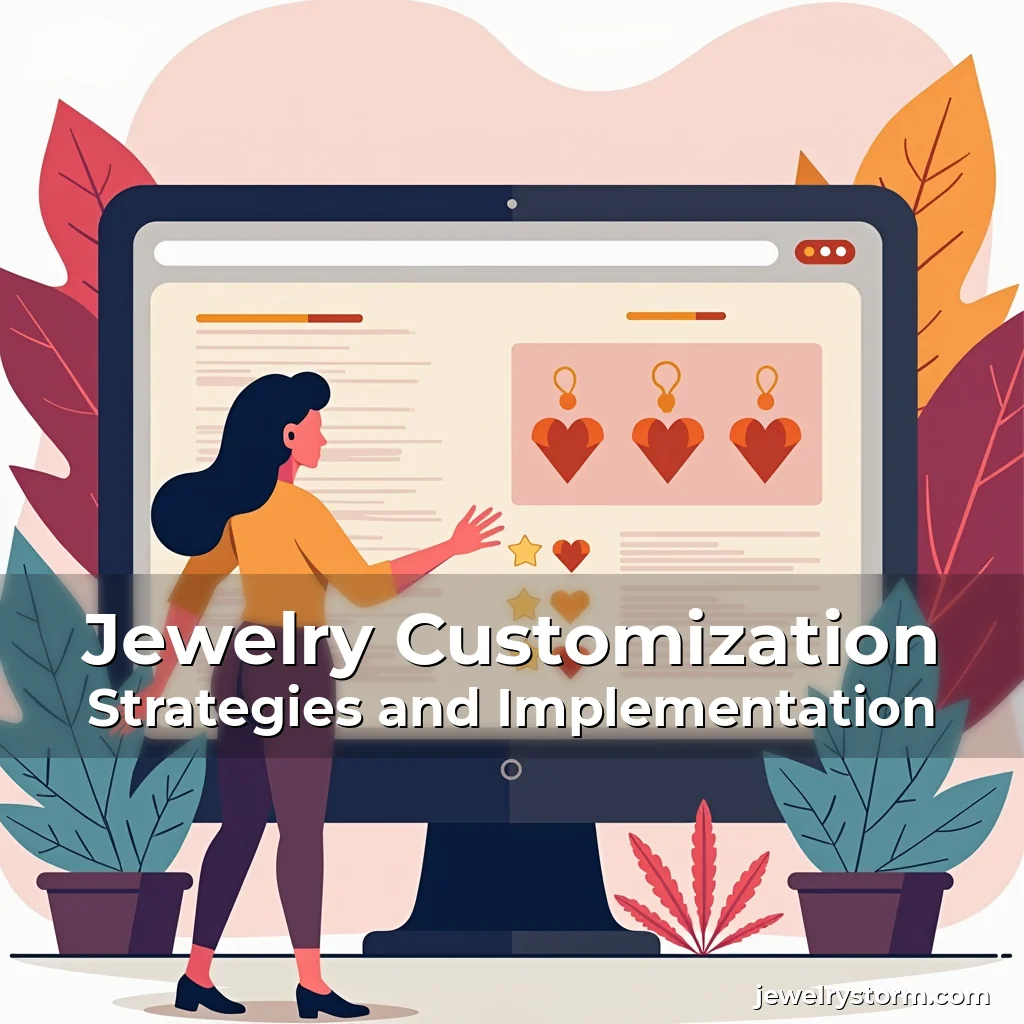
Virtual reality tools now allow clients to view digital renderings of proposed designs in real-world settings, enhancing visualization capabilities before fabrication begins.
The rise of online platforms has democratized access to customization services globally. Customers can connect with international artisans without geographical limitations.
The Role of Technology in Advancing Customization
Computer-aided design (CAD) software revolutionizes how jewelers approach custom projects. These programs enable three-dimensional modeling with exact specifications before any physical material is used.
Smart manufacturing systems streamline production processes while maintaining artisanal quality. Automated polishing units ensure consistent finish across all pieces produced.
Data analytics helps jewelers predict market trends and tailor offerings accordingly. By analyzing customer preferences, businesses can anticipate which customization features will gain popularity next season.
Blockchain technology enhances traceability by recording every step of a piece’s journey from raw material extraction through final sale.
Preserving Value Through Thoughtful Customization
While customization adds uniqueness, it’s essential to consider long-term value preservation. Certain modifications might decrease resale potential depending on the changes made.
Professional appraisals help determine appropriate insurance coverage for customized items. Valuation considers both intrinsic worth of materials and added sentimental value.
Maintaining records of design decisions aids future owners who may wish to restore or alter the piece later. Documentation should include material sources, craftsmanship details, and modification history.
Regular maintenance ensures longevity of customized jewelry. Proper cleaning and storage prevent damage that could diminish both appearance and monetary worth over time.
Conclusion
Jewelry customization represents more than just fashion statement; it embodies our deepest connections and aspirations through wearable artistry.
To begin your own customization journey, start by identifying what makes you feel truly represented in jewelry form. Then explore local workshops or trusted online providers offering creative freedom within professional expertise.

news is a contributor at JewelryStorm. We are committed to providing well-researched, accurate, and valuable content to our readers.